We study how fire shapes ecosystems and how restoration can help landscapes recover and stay resilient to wildfire impacts.
What we study and how we do it
Our research examines how climate change and human activity have altered fire patterns around the world. We study the effects of fire on vegetation, wildlife, watersheds, and nutrient cycles using field studies, modeling, and ecological monitoring. By combining fire ecology with restoration practices, we explore ways to repair degraded ecosystems and improve their resilience to future fires.
Why it matters and how it’s applied
Our work informs fire management and restoration strategies that protect people, property, and natural landscapes. We collaborate with land managers, communities, and policymakers to reduce wildfire risks and enhance ecosystem function. By restoring landscapes and understanding fire dynamics, we support healthier, more resilient ecosystems that benefit both nature and society.
Faculty
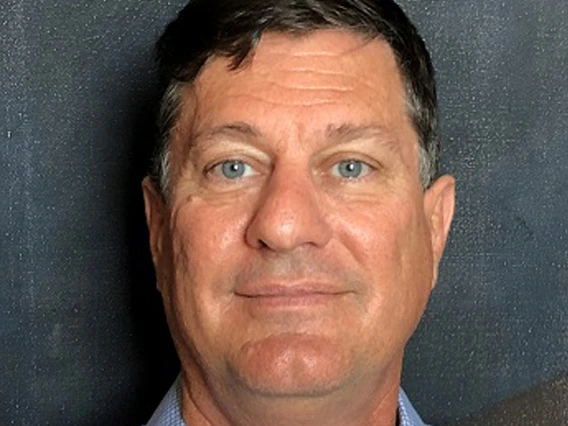


Amy Ganguli
Professor and Cooperative Extension Specialist, Rangeland EcologyMarley Endowed Chair for Sustainable Rangeland Stewardship

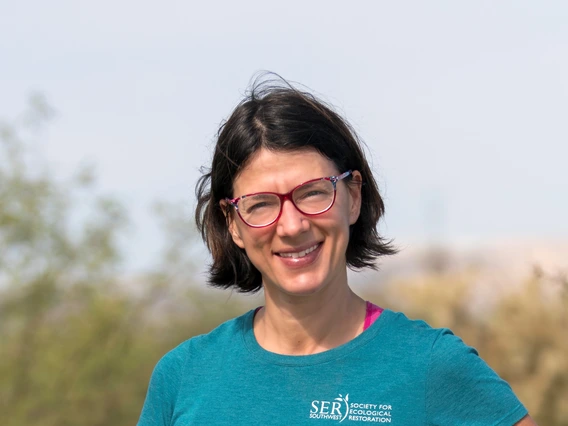
Elise Gornish
Professor, Restoration EcologyCooperative Extension Specialist in Ecological Restoration
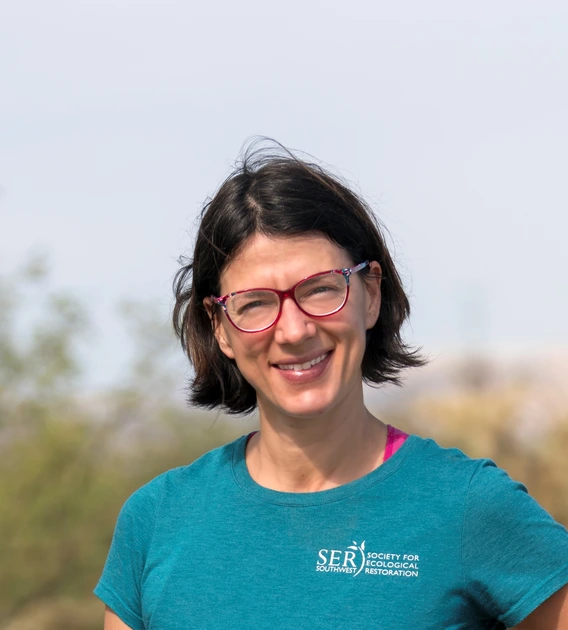

Aaron Lien
Associate Professor, Rangeland Ecology and Adaptive Management

Mitch McClaran
Professor

Rachel Mitchell
Associate Professor, Arid-Land Ecosystems
Research Staff